Tree Debris Removal in Honolulu, HI
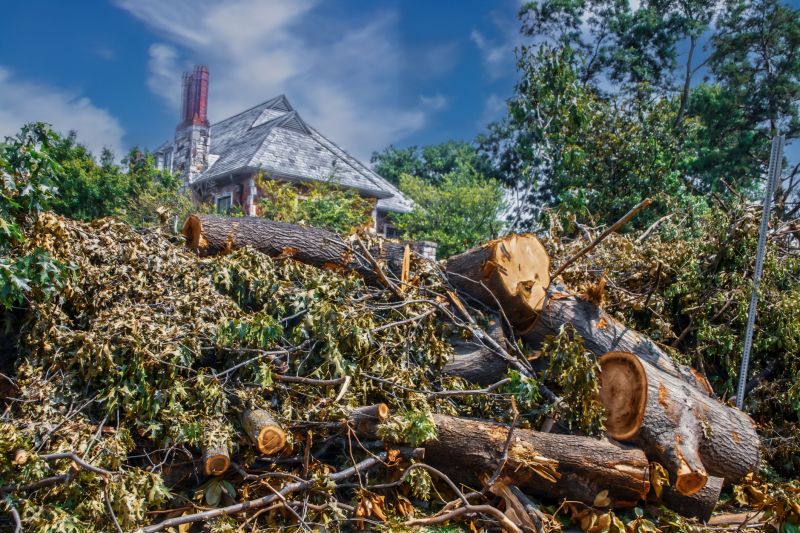
Tree debris removal services focus on clearing away fallen branches, leaves, and other plant material from residential properties. This service is commonly requested after storms, heavy winds, or during routine yard maintenance to keep outdoor spaces tidy and safe. Projects can include removing large fallen limbs, cleaning up after pruning, and clearing debris from lawns, driveways, and walkways. Property owners should consider the extent of debris, the size of the affected trees, and any potential hazards when requesting this service to ensure proper cleanup and disposal.
Before requesting tree debris removal, homeowners typically want to understand what types of debris are included, the scope of the cleanup, and any limitations on the service. It’s helpful to know if the service covers both small and large debris, and whether disposal or recycling of the debris is included. Clarifying these details can ensure the project aligns with expectations and results in a clean, hazard-free outdoor space.
Many property owners in Honolulu, HI look into Tree Debris Removal for repairs, replacements, upgrades, and appearance-related improvements.
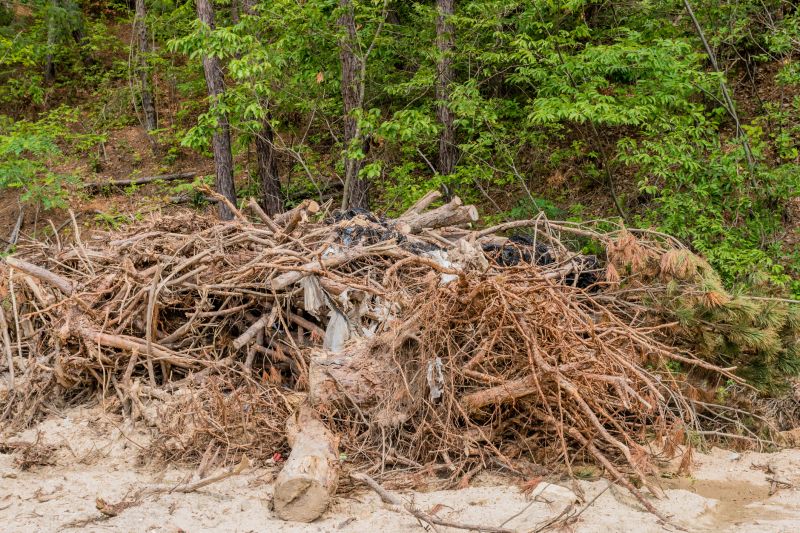
Yard Cleanup And Debris Removal
Removing fallen branches and leaves to keep outdoor spaces tidy and safe.
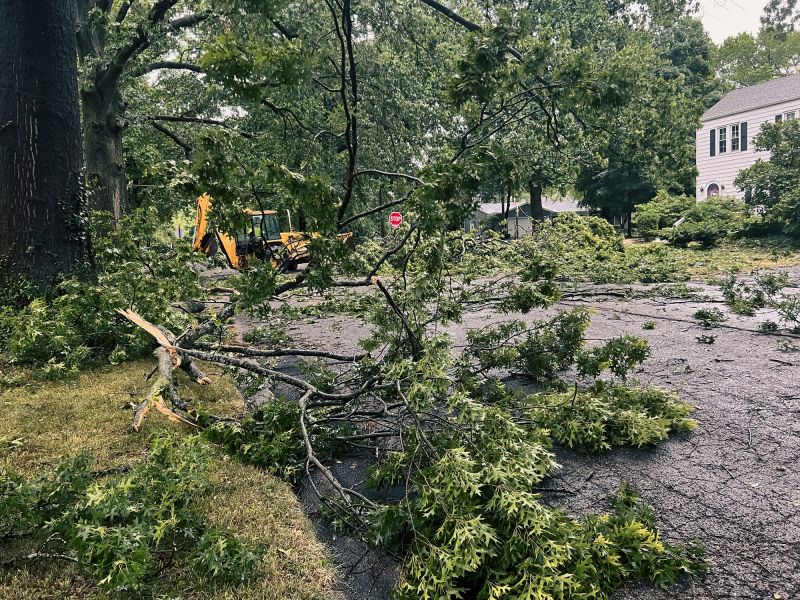
Storm Damage Cleanup
Clearing tree debris after storms to prevent hazards and maintain property appearance.
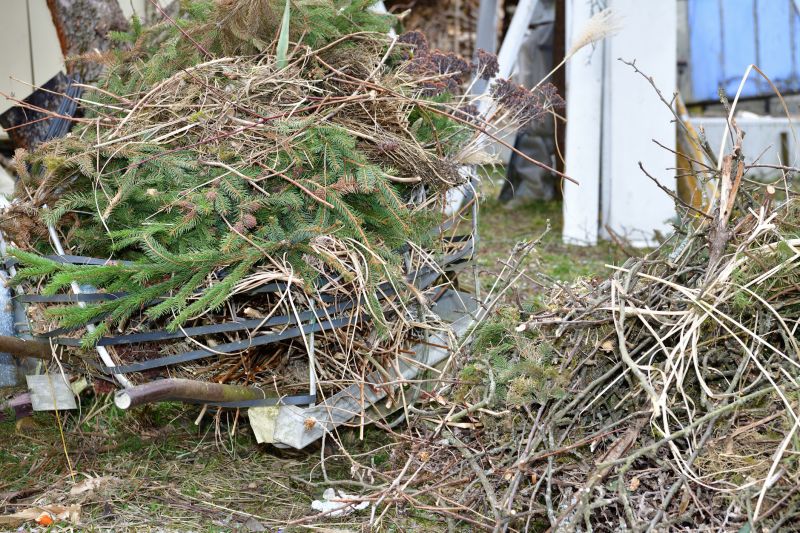
Tree Limb And Branch Removal
Pruning and removing overgrown or hazardous limbs to protect property and improve tree health.
Tree Debris Removal in Honolulu, HI

Tree debris removal services focus on clearing away fallen branches, leaves, and other plant material from residential properties. This service is commonly requested after storms, heavy winds, or during routine yard maintenance to keep outdoor spaces tidy and safe. Projects can include removing large fallen limbs, cleaning up after pruning, and clearing debris from lawns, driveways, and walkways. Property owners should consider the extent of debris, the size of the affected trees, and any potential hazards when requesting this service to ensure proper cleanup and disposal.
Before requesting tree debris removal, homeowners typically want to understand what types of debris are included, the scope of the cleanup, and any limitations on the service. It’s helpful to know if the service covers both small and large debris, and whether disposal or recycling of the debris is included. Clarifying these details can ensure the project aligns with expectations and results in a clean, hazard-free outdoor space.
Many property owners in Honolulu, HI look into Tree Debris Removal for repairs, replacements, upgrades, and appearance-related improvements.
Common Tree Debris Removal Jobs
Tree Debris Removal - Clearing fallen branches and leaves from yards and driveways.
Storm Cleanup - Removing debris after severe weather events to restore property safety.
Yard Cleanups - Regular removal of accumulated tree debris for a tidy landscape.
Storm Damage Response - Quickly clearing debris caused by wind or storm-related tree falls.
Property Maintenance - Maintaining a clean and safe outdoor space by removing dead or broken branches.
Emergency Debris Removal - Immediate removal of hazardous debris to prevent property damage or injury.
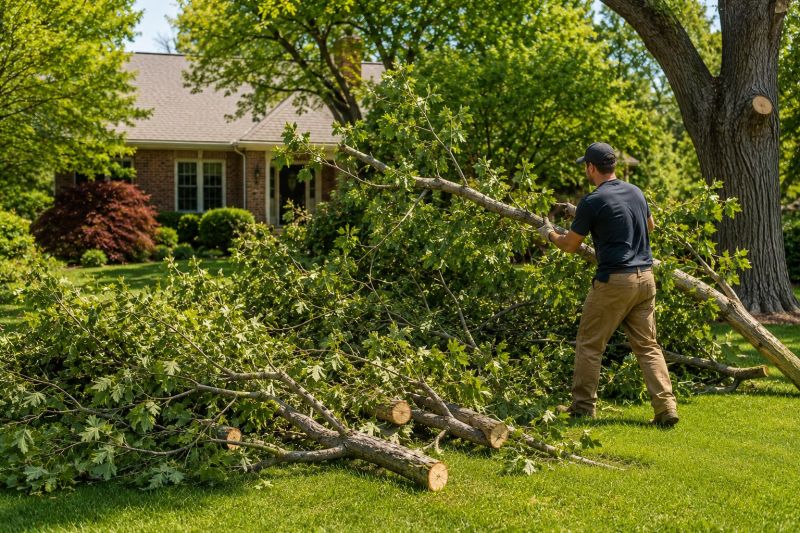
Tree Debris Removal Questions
What types of tree debris removal services are available? Services include clearing fallen branches, trimming overgrown limbs, and removing storm debris from yards and properties.
When should tree debris be removed? Debris should be cleared promptly after storms or when it begins to obstruct pathways, views, or safety around the property.
Is tree debris removal suitable for large or hazardous trees? Yes, specialized equipment and techniques are used to safely remove debris from large or unstable trees.
What should property owners consider before requesting debris removal? Consider the extent of debris, accessibility of the area, and any safety concerns related to the site.
Request Tree Debris Removal in Honolulu, HI
Use the quote form on this page to share the basics of your project and request more information for the type of work you need.